


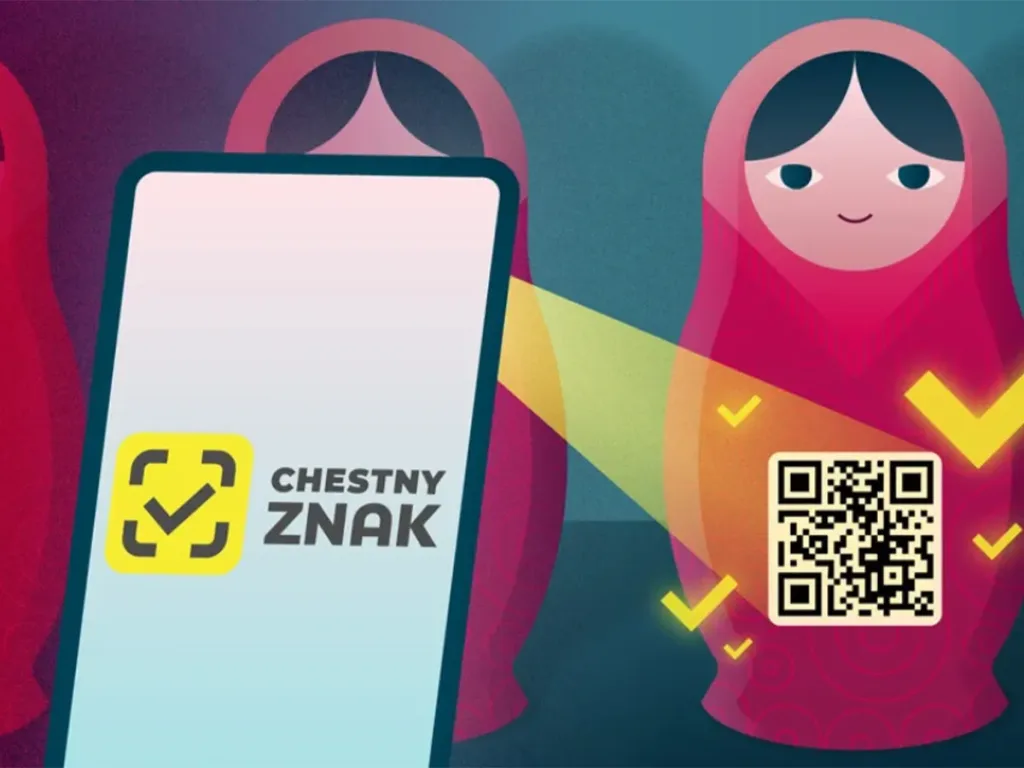
Choosing a printer for the Chestny ZNAK code requires focusing on three core criteria: Code Quality/Resolution, Material Compatibility, and Integration/Speed. The Chestny ZNAK system mandates the use of a high-density, unique GS1 Data Matrix 2D barcode that includes a cryptographic signature (“crypto-tail”), making high-precision printing essential.
1. Technical Requirements for the Code
The chosen printer must be capable of producing a Data Matrix code that meets strict quality standards to ensure 2D scanners and consumer apps can read it immediately.
Code Type:
GS1 Data Matrix(ECC 200).2
Data Density:
The code contains an alphanumeric sequence of up to 85 characters (or more, depending on the industry), including the GTIN, unique serial number, and the crypto-tail.3 This means the code is dense and requires high resolution.
Print Quality Grade:
While the mandatory minimum grade is typically Grade C (ISO/IEC 15415 & 15416), it’s highly recommended to aim for Grade B or higher to ensure a margin of error.4 Codes that fail to meet the standard can lead to fines and rejection of the product at the point of sale.5
2. Choosing the Right Marking Technology
The best technology depends entirely on your product’s packaging material and production line speed.
| Teknologi | Best Suited For | Key Advantages for Chestny ZNAK |
| Thermal Transfer (TT) Printers | Labels, Tags, and Sleeves (e.g., footwear, clothing, light industry, small cosmetics). | Produces the highest quality and resolution (often 300 or 600 DPI), guaranteeing the necessary print grade for the dense Data Matrix code. Ideal for offline label printing or Print-and-Apply systems. |
| Thermal Transfer Overprinters (TTO) | Flexible Packaging (e.g., pharmaceutical foils, snack wraps, flexible films). | Prints directly onto film or foil. Offers high resolution and durability for codes that must be applied to heat-sensitive or flexible substrates. |
| Thermal Inkjet (TIJ) Printers | Direct Printing on porous and non-porous surfaces (e.g., cartons, paper labels, some plastics). | Offers high-resolution printing (up to 600 DPI) at high speeds, making it a strong choice for fast-moving secondary packaging or pharmaceutical cartons. Some systems are optimized for printing larger, high-grade crypto codes. |
| Laser Marking Systems | Permanent marking on glass, plastics, and some coated metals (e.g., bottles, certain cosmetics). | Creates a permanent mark without ink. The best choice where the code needs to be indelible. Requires careful integration to ensure the laser creates a high-contrast mark without compromising packaging integrity. |
| Piezo Inkjet Printers (PIJ) | Corrugated cardboard boxes, paper labels, flexible packings, plastic. | offer a powerful combination of print height, resolution, speed and cost-efficiency for larger markings. PIJ is much faster than TTO and can satisfy high speed requirements, and the max height can be over 100mm for single head. |